Read a Player in Four Passes
- Start with batting side, throwing hand, position, and current assignment.
- Read contact, power, speed, fielding, arm, control, stamina, or other role-specific ratings.
- Check condition, stamina, pitch count, and availability.
- Read active abilities and tendencies only when the current play can trigger them.
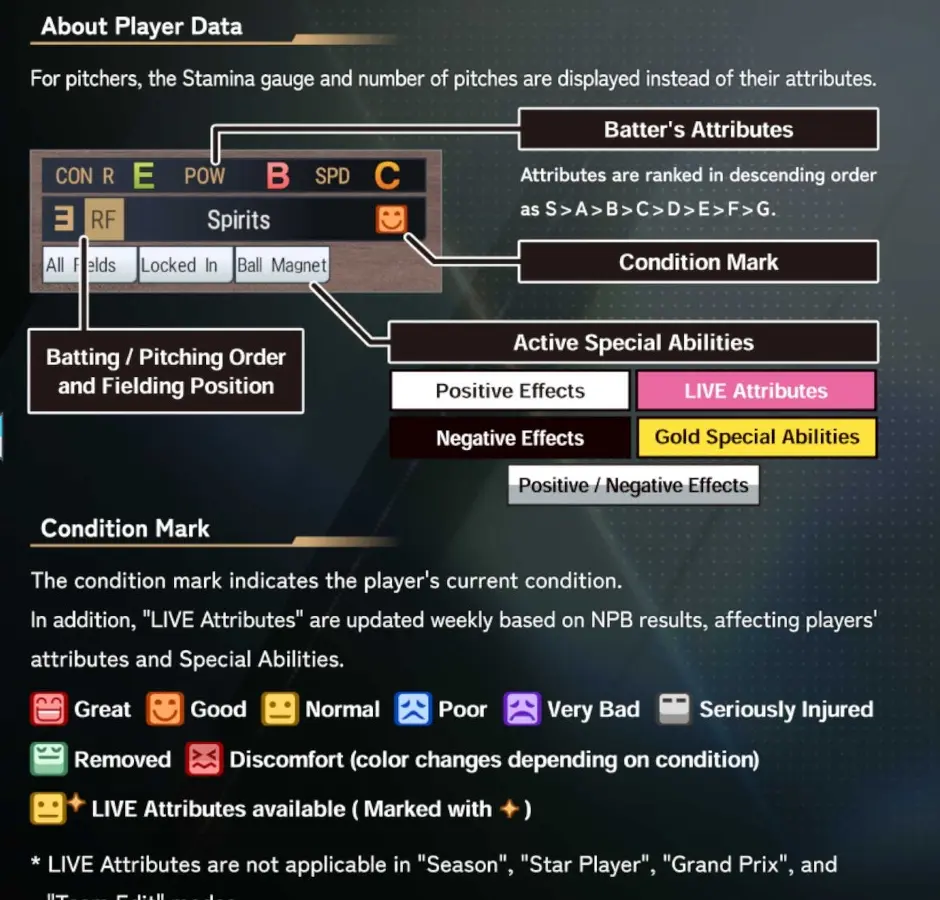
Official player-data layer
Ratings Describe Tools; Abilities Describe Situations
Basic attributes describe repeatable skills. Active abilities add advantages or weaknesses under particular conditions. A high rating remains valuable, but it does not mean every situational ability is active.
- Read the rating first for the baseline tool.
- Read the ability second for the current matchup or situation.
- Check position and role before assuming the tool fits the job.
Read Only What Changes the Next Decision
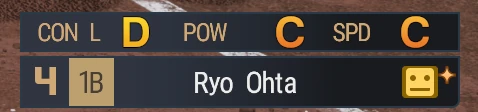
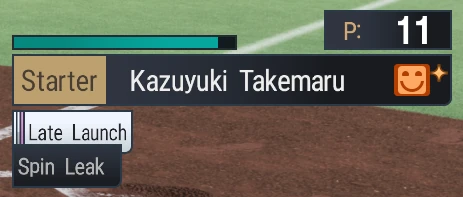
The live matchup HUD turns the larger player profile into a smaller set of immediate clues.
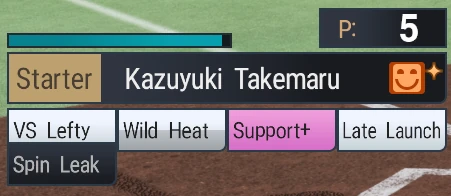
What Each Layer Can—and Cannot—Tell You
| Layer | Useful question | Do not assume |
|---|---|---|
| Core rating | How strong is the underlying tool? | One high grade solves every matchup |
| Active ability | Is there a situational modifier now? | The effect applies on every play |
| Condition and stamina | Is today’s version of the player reliable? | The printed rating tells the whole current story |
| Repertoire | Which speed and movement combinations exist? | The fastest pitch is automatically the best |
| Position and tendency | Does the role fit, and what might the CPU prefer? | A tendency is a direct attribute bonus |
Translate Data into One Decision
- Batting: identify the hitter’s strongest threat and the location you can actually cover.
- Pitching: identify the safest strike pitch and the best speed or movement contrast.
- Defense: compare position suitability, range, arm, and the likely ball in play.
- Bench move: compare the replacement’s immediate advantage with the role you lose later.
Legacy Ability and Tendency Reference
- What are pitch-location and pitch-family bonuses?: Older releases included bonuses for inside, outside, low, fastball, forkball, slider, curve, shoot, and changeup families. Confirm the current 2026 ability name and effect before treating one as active.
- What were Green Special Skills?: Older guides used that label for CPU behavior tendencies such as aggressive running, pull hitting, preferred pitch families, or tempo. They describe likely AI choices more than direct human-controlled rating bonuses.
- Do ratings guarantee outcomes?: No. They change capability and probability; pitch choice, location, timing, condition, and game state still shape the play.
The Useful Player Read
- Start with role, then core tools.
- Adjust for condition and stamina.
- Use active abilities only when the situation applies.
- Turn the profile into one expectation for the next play.