The Practical Route
- Compare New Player, Custom Player, and Rostered Player before committing.
- Choose a role and development direction that fit the starting player.
- Use the five status attributes to support the career you intend to play.
- Expect the plan to change as evaluation, opportunity, and relationships develop.
A Career Without a Countdown
Star Player follows one professional player on and off the field. Unlike a scenario mode, it does not impose a fixed gameplay objective or require specific goals within a time limit. You decide what kind of career to build.
The mode still has one central measure of progress: Star Level. It represents your standing as a superstar and connects performance, private life, relationships, team requests, and long-term recognition.
The Career Hub Is Your Daily Decision Screen
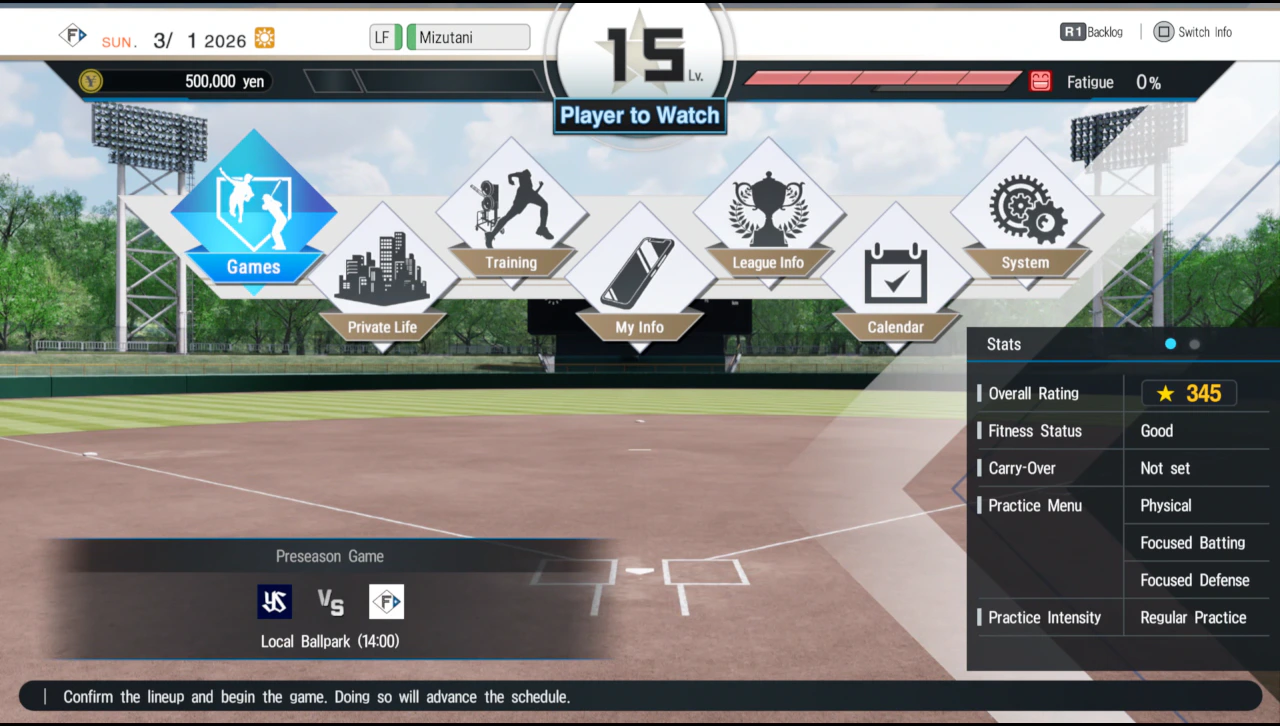
The hub connects the next game, career menus, and persistent status. Read what changed before advancing rather than opening every menu each day.
The Career at a Glance
| System | What it controls | What to watch |
|---|---|---|
| Games | Performance, records, evaluation, role | Upcoming appearance and current assignment |
| Training | Attribute EXP, position affinity, fatigue | Practice slots, intensity, and recovery |
| Private life | Hobbies, contacts, activities, money | Free days and useful relationship targets |
| Star Level | Career fame and position tier | Benefits, requests, and the Level 50 milestone |
Choose How the Career Begins
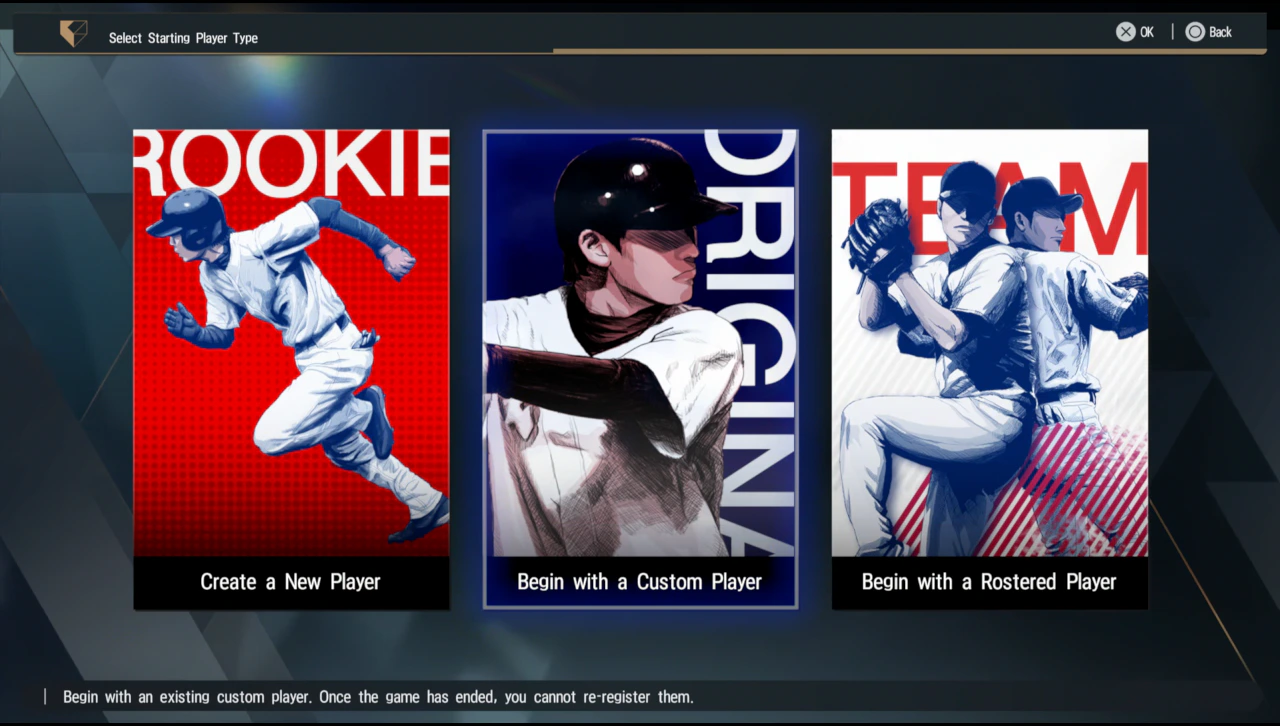
A new save offers three starting routes. Create a New Player builds a rookie specifically for the mode. Begin with a Custom Player imports an existing created player. Begin with a Rostered Player uses someone already on a team roster.
Custom and rostered players cannot be re-registered after the Star Player game has ended, so confirm the choice before committing.
Choose the Career Route You Actually Want to Play
New Player, Custom Player, and Rostered Player begin with different levels of control and existing identity. Choose for the experience, not only the easiest starting ratings.
Allocate the Five Status Attributes for the Career Plan
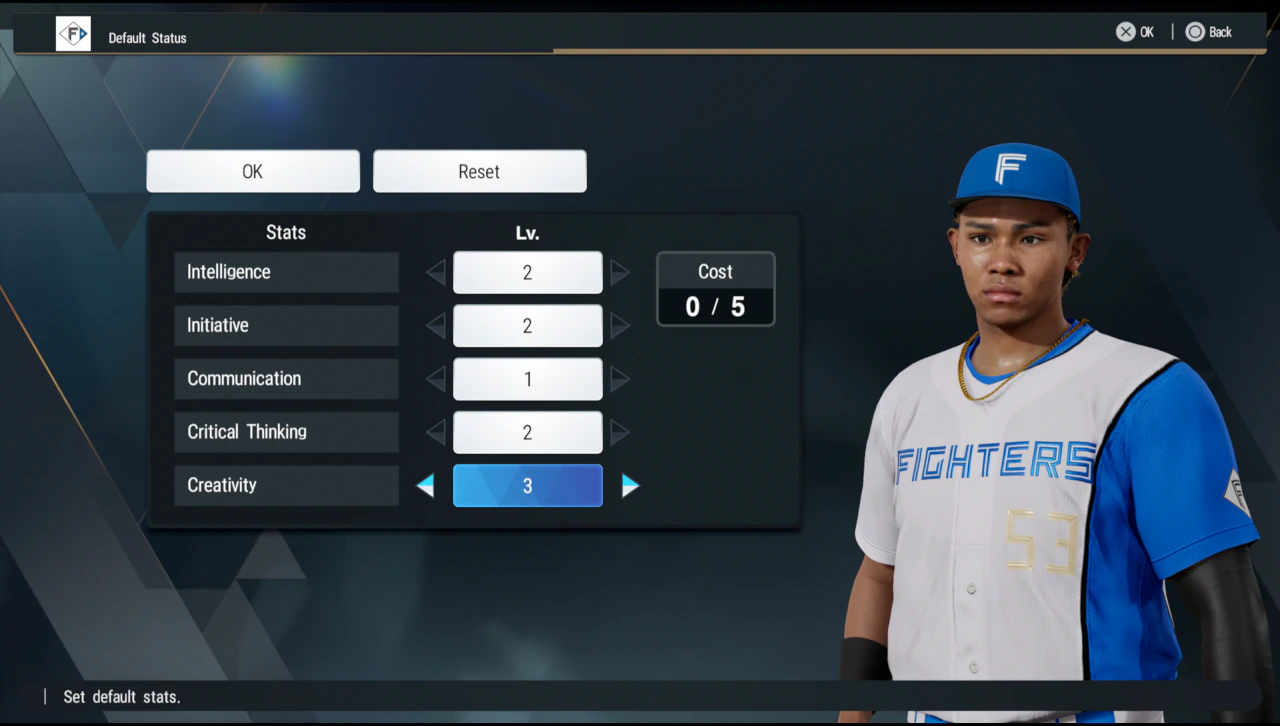
Intelligence, Initiative, Communication, Critical Thinking, and Creativity shape non-rating progression. Use them to support the development and relationship route you intend to pursue.
Read a Rostered Player Before Committing
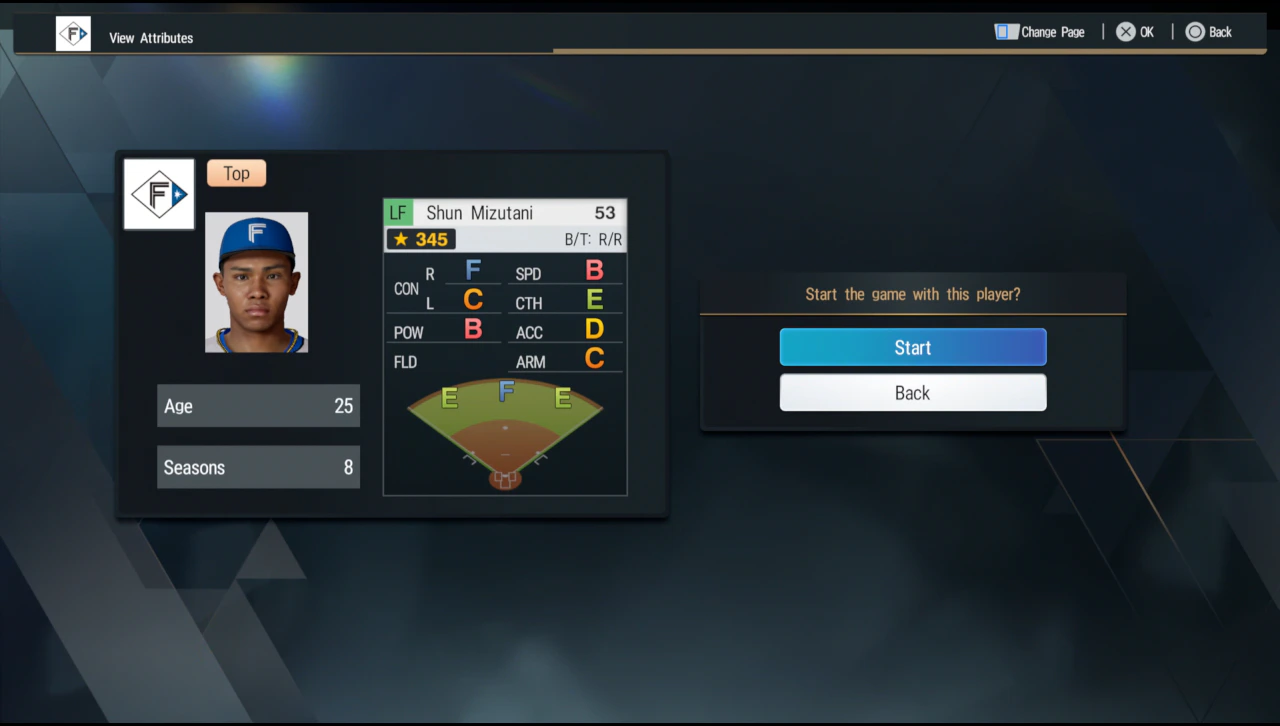
Age, seasons, overall rating, individual attributes, and position affinities determine the career you inherit. Confirm the role and growth opportunity before starting.
Starting Player Types
| Route | Best for | Important limitation |
|---|---|---|
| Create a New Player | A fresh rookie and a career built from the ground up | Requires full player setup |
| Begin with a Custom Player | Continuing with an existing created player | Cannot be re-registered after the game ends |
| Begin with a Rostered Player | Living the career of a real rostered player | Cannot be re-registered after the game ends |
The Five Status Attributes
Initial setup also establishes Intelligence, Initiative, Communication, Critical Thinking, and Creativity. These are separate from baseball ratings. They gain their own EXP and influence private-life events and opportunities; the game can even preview when a higher status would have changed an event result.
Social Status Reference
| Status | Practical meaning |
|---|---|
| Intelligence | Knowledge-based choices and development |
| Initiative | Taking action and opening opportunities |
| Communication | Social interaction and relationship development |
| Critical Thinking | Problem solving in events |
| Creativity | Creative routes, choices, and selected relationship requirements |
Before You Confirm
- Choose the repeated gameplay experience you genuinely want for a long career.
- Review the player’s age, seasons, ratings, and position affinities when using a rostered player.
- Treat social-status allocation as part of the career build, not cosmetic flavor.
The Repeatable Plan
- Choose the starting route according to the experience you want.
- Build toward a believable first role before chasing every system.
- Treat the initial setup as the beginning of the career plan, not its final form.